Ultra-Processed Foods & Energy Intake
A discussion of ultra-processed foods and their relationship to energy intake patterns according to current research findings.
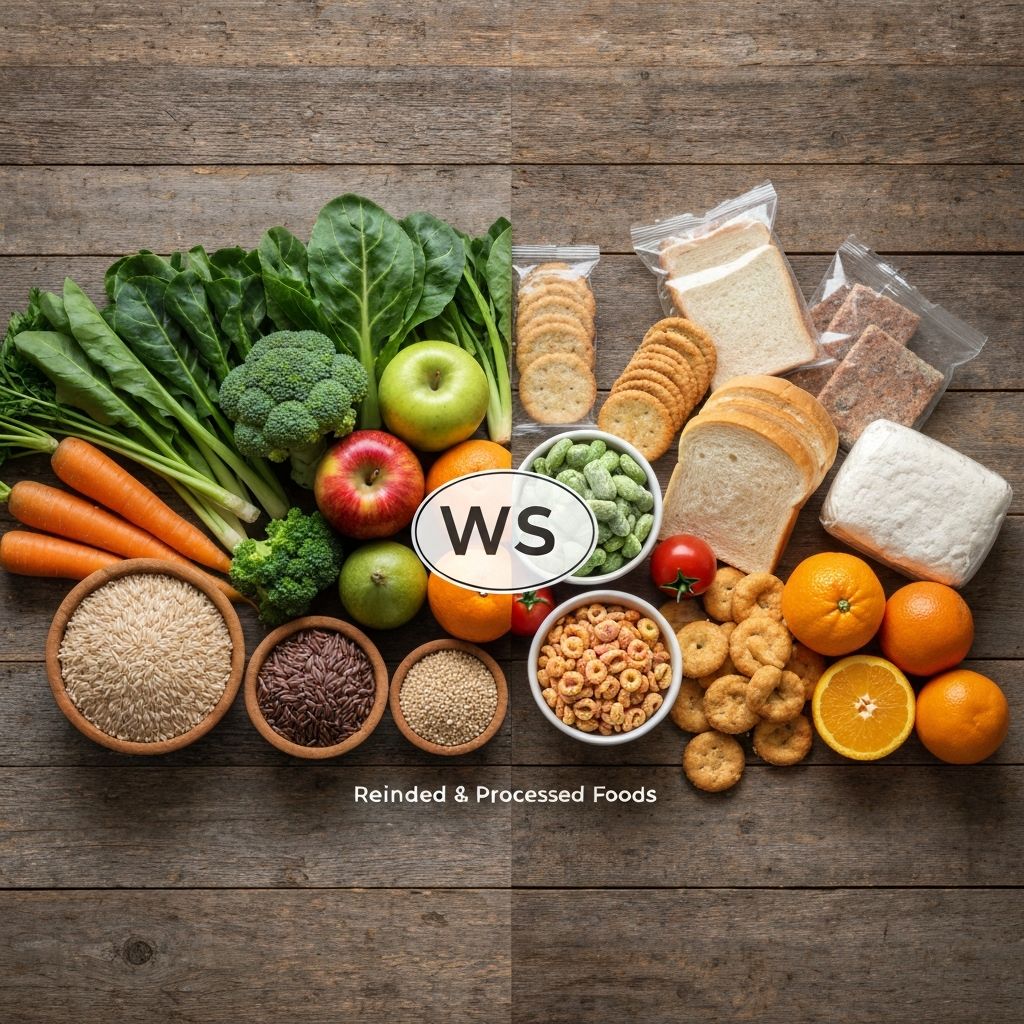
Defining Food Processing
Food processing exists on a spectrum rather than a simple binary. Minimally processed foods include frozen vegetables, canned beans without added sodium, and pasteurized milk—foods that have undergone minimal alteration while retaining nutritional integrity. Moderately processed foods include whole grain bread, yogurt, and canned fish—foods with some processing but still recognizable as their ingredient sources.
Ultra-processed foods (UPFs) are industrially formulated products designed for maximum shelf stability, sensory appeal, and profitability. They typically contain multiple added ingredients including emulsifiers, thickeners, colorants, flavor compounds, and preservatives in addition to refined carbohydrates, added oils, and sodium. They're often engineered for optimal palatability rather than nutritional value.
Energy Density and Satiation
Ultra-processed foods tend to be energy-dense (calories per gram) compared to whole foods. A package of cookies provides many more calories per gram than an apple, yet occupies similar or less volume. This energy density may reduce satiation signals—you may consume more calories before feeling full because the food takes up less stomach space.
Additionally, the composition of ultra-processed foods often provides less satiation per calorie compared to whole foods. Whole foods typically contain more fiber, water, and protein relative to calories. UPFs often have higher proportions of refined carbohydrates and added fats with lower satiation power. This compositional difference influences how satisfying foods feel gram-for-gram.
Behavioral Factors with UPFs
Ultra-processed foods are engineered to be highly palatable—designed to taste excellent and be easy to overconsume. The combination of refined carbohydrates, fat, and salt, along with engineered flavor compounds, creates sensory intensity that's unusual in whole foods. This sensory intensity may promote continued eating beyond satiation signals.
Additionally, UPFs are often consumed in eating contexts divorced from nutritional awareness. Eating from packages while distracted (driving, working, watching screens) is common with UPFs, promoting inattentive eating that bypasses normal satiation mechanisms. Whole foods are more often consumed as deliberate meals, promoting more attentive eating.
Research Evidence
Observational studies consistently show associations between high ultra-processed food consumption and greater energy intake, weight gain, and metabolic dysfunction. However, establishing causation from observational data is challenging—people eating high-UPF diets often differ in many ways from those eating more whole-food diets.
Controlled studies where participants are fed identical energy amounts of whole foods versus ultra-processed foods show modest but consistent differences: people often spontaneously eat more when offered ultra-processed foods, even when energy content is identical. This suggests biological and behavioral mechanisms promoting overconsumption of UPFs.
Nutritional Concerns Beyond Energy
Beyond influencing energy intake, ultra-processed foods often lack micronutrient density. They may be high in calories but low in vitamins, minerals, and phytochemicals. Additionally, they often contain high amounts of sodium, added sugars, and refined carbohydrates, which may negatively influence metabolic markers and satiation.
The overall nutrient profile—not just calories—influences how your body processes foods and how satisfied you feel. Ultra-processed foods' typical composition may promote both overconsumption and insufficient nutrient intake simultaneously.
Individual Responses Vary
While trends across populations show increased energy intake with high-UPF consumption, individual responses vary considerably. Some people seem relatively unaffected by UPF presence, while others show dramatic increases in consumption. Genetic factors, baseline dietary patterns, stress levels, sleep quality, and numerous other factors influence individual susceptibility to overconsumption patterns associated with UPFs.
This variation suggests that while UPF limitation is generally advantageous for most people, some individuals may manage energy balance adequately while including UPFs, while others may find UPF minimization helpful for weight management and satiation.
Practical Perspective
The research generally supports increasing whole-food consumption relative to ultra-processed foods. This needn't be an all-or-nothing approach. Gradually increasing the proportion of minimally and moderately processed foods while reducing UPFs creates dietary patterns likely to support better energy regulation, satiation, and nutrient adequacy.
The mechanism isn't that UPFs are "toxic" or uniquely dangerous, but rather that their composition and the eating contexts they promote may inadvertently support overconsumption patterns in many people. Dietary patterns with higher whole-food proportions often lead to better outcomes because of multiple mechanisms—satiation, nutrient density, reduced sensory intensity, and more intentional eating contexts.